-
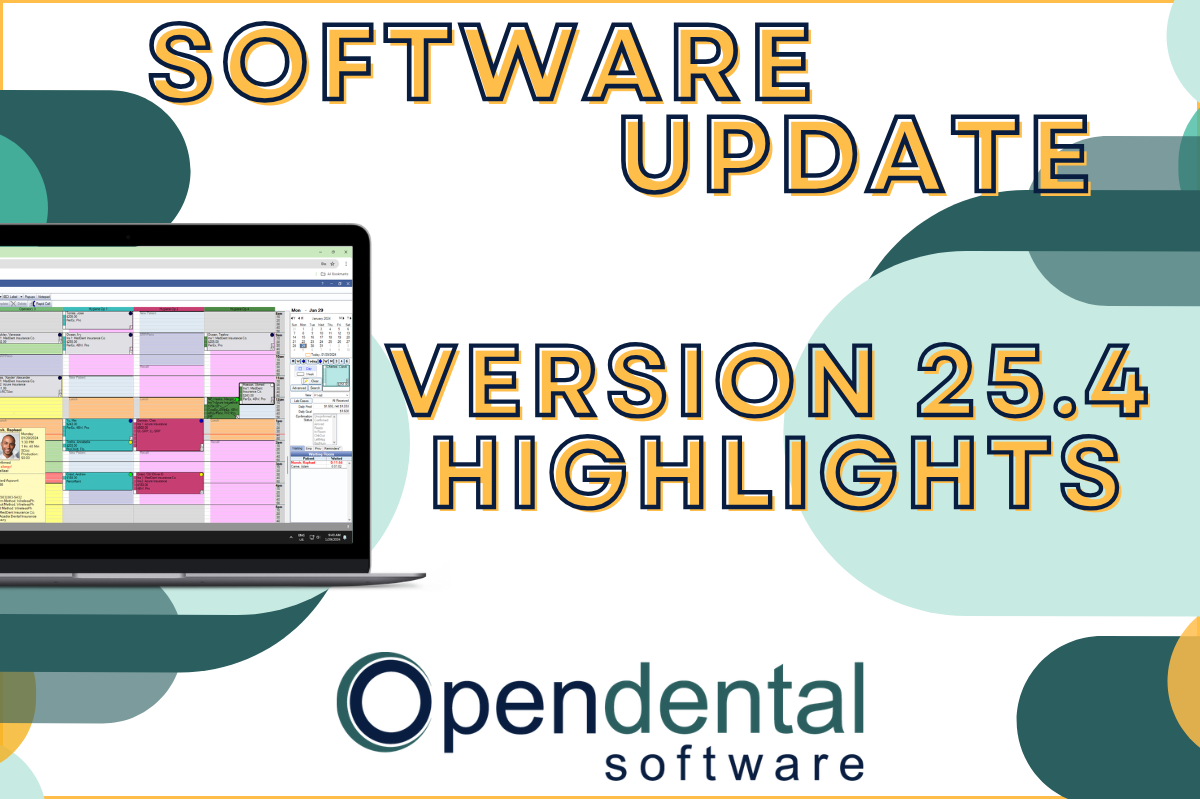 Read more: Software Update: Stable Version 25.4 Highlights
Software Update: Stable Version 25.4 Highlights
Open Dental 25.4 is live and packed with updates. From OCR on eClipboard that auto-fills patient insurance info, to a Clerri integration for in-house membership plans, there’s a lot to explore, including 11 features requested directly by users.
-

Open Dental Tools for Your Fee-for-Service Practice
Read more: Open Dental Tools for Your Fee-for-Service PracticeWhether you’re starting out as a fee-for-service practice or transitioning from an in-network, insurance-based model, Open Dental has plenty of features to make the setup process easy and efficient.
-

Feature Highlight: Discount Plans
Read more: Feature Highlight: Discount PlansIf your practice offers in-house or Discount Plans, these tools in Open Dental will help streamline and automate the process so staff doesn’t need to manually apply discounts or override them once a patient exceeds discount amounts.
-

Open Dental for Specialty Practices: Pediatric
Read more: Open Dental for Specialty Practices: PediatricSpecialty dental practices require tools that meet their unique needs. Learn about Open Dental features optimized for pediatric practices.
-

Software Update: Stable Version 23.1 Highlights
Read more: Software Update: Stable Version 23.1 HighlightsSoftware Update: Version 23.1 has been released as Stable. Learn more about the new features right here.
Guest Posts
Read content written by featured third-party guest writers.
-
 Read more: Why Your Open Dental Practice Deserves a Better Membership Experience
Why Your Open Dental Practice Deserves a Better Membership Experience
Managing membership plans across disconnected systems slows your team down. Here’s how Clerri, a native Open Dental integration, changes the experience for staff and patients.
-
 Read more: A Comprehensive Guide to Data Backup: A-Z Backup Info
A Comprehensive Guide to Data Backup: A-Z Backup Info
Discover a comprehensive guide to data backup, covering everything from types of backups and best practices to setting up a secure backup system. Stay informed with essential backup info to protect your data effectively.
-
 Read more: Automating Dental Electronic Remittance Advice (ERA) to Modernize Dental Operations
Automating Dental Electronic Remittance Advice (ERA) to Modernize Dental Operations
Electronic Remittance Advice (ERA) is pivotal in the healthcare reimbursement process, providing detailed information about claims adjudication and payment from insurance companies.
-
 Read more: What is Clinical Decision Support and Why Should Every Clinician Use It?
What is Clinical Decision Support and Why Should Every Clinician Use It?
Learn the role clinical decision support (CDS) tools can play in delivering the best possible care to your patients.
-
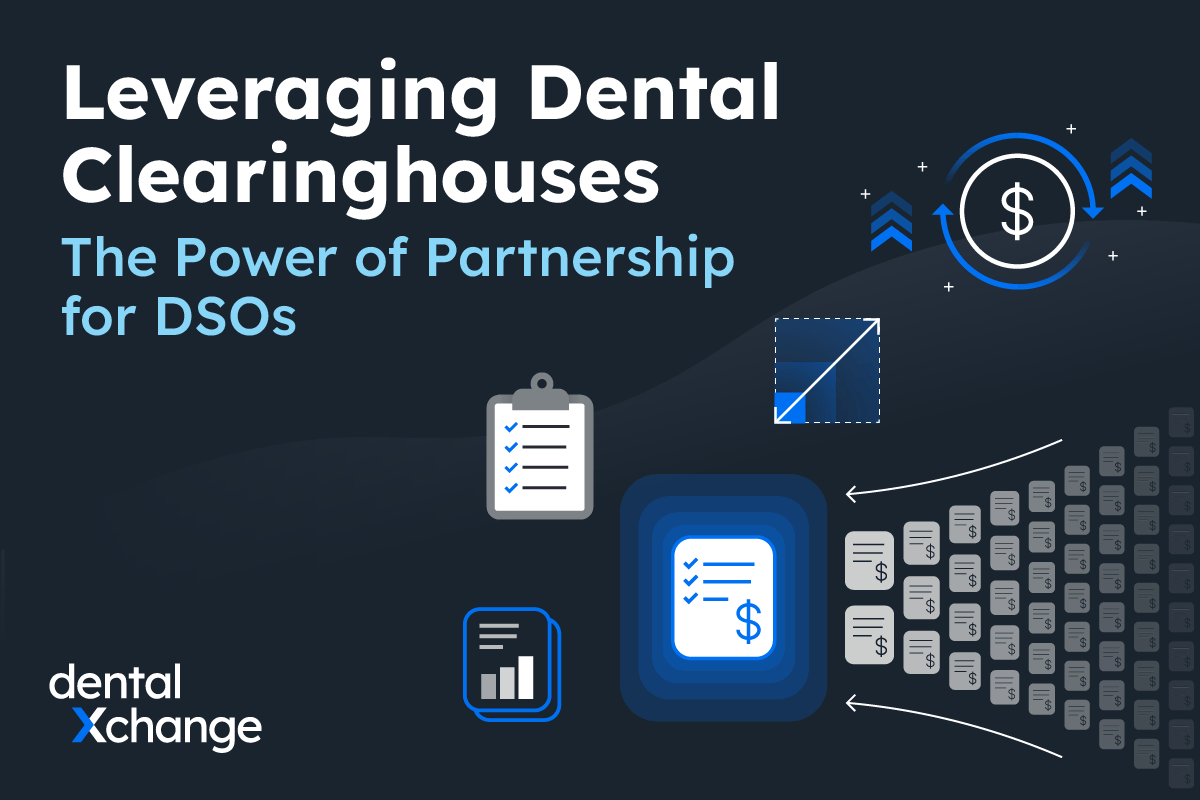 Read more: Leveraging Dental Clearinghouses: The Power of Partnership for Dental Service Organizations (DSOs)
Leveraging Dental Clearinghouses: The Power of Partnership for Dental Service Organizations (DSOs)
Learn how the collaboration of DSOs and clearinghouses drives efficiency, profitability, and sustainable growth, for enhanced patient care.
-
 Read more: Do Small Dental Practices and Start-Ups Need to Worry About Cybercrime?
Do Small Dental Practices and Start-Ups Need to Worry About Cybercrime?
As a small dental practice owner or as a dental practice start-up, you might think that cyber criminals and HIPAA violations are concerns reserved for larger healthcare organizations. The reality is that small practices and new startups are often prime targets for cyberattacks