
-
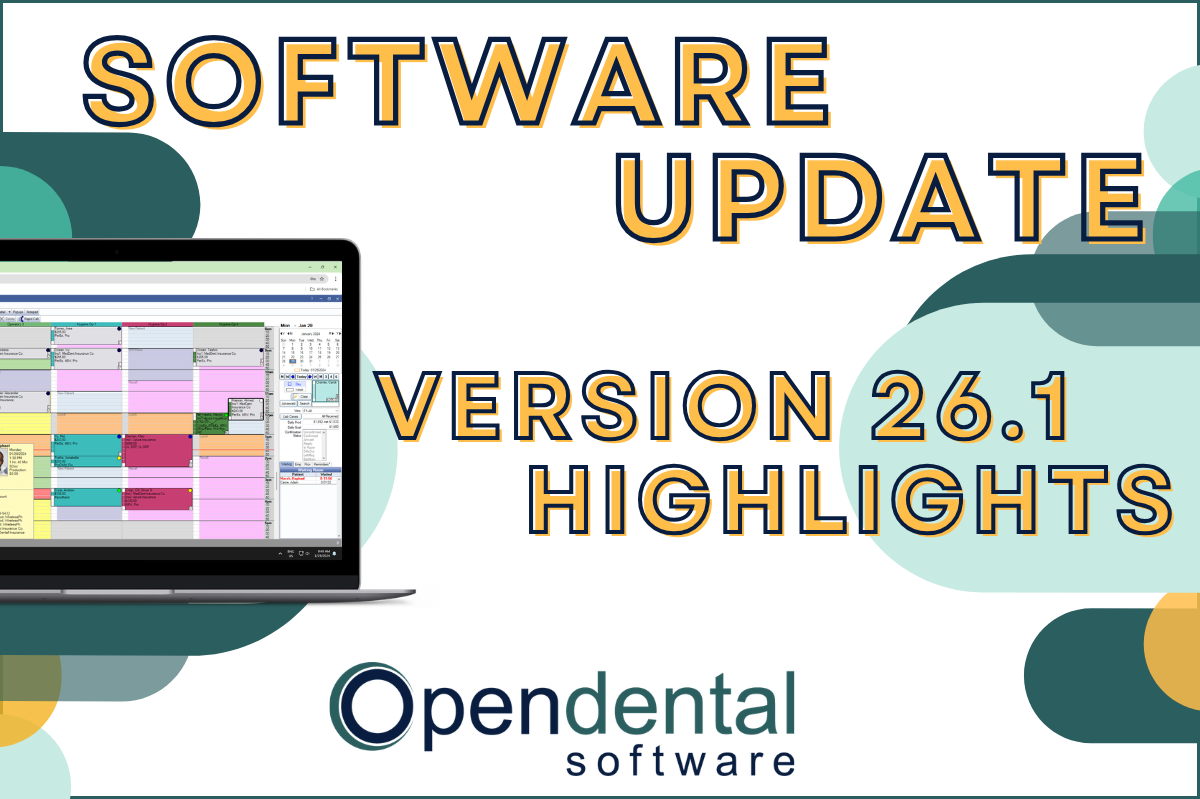 Read more: Software Update: Stable Version 26.1 Highlights
Software Update: Stable Version 26.1 Highlights
Open Dental 26.1 is now stable! New features include ODTouch 25, custom insurance history categories, HTML billing emails, and much more.
-

Preventing Dental Anxiety: How to Keep Your Dental Office From Becoming a Haunted House
Read more: Preventing Dental Anxiety: How to Keep Your Dental Office From Becoming a Haunted HouseOctober marks a season of spookiness, but dental visits shouldn’t induce fear. With 54% of adults experiencing dental anxiety, addressing patient concerns through transparency, comfort, and appreciation can significantly reduce anxiety and foster trust.
-

Feature Highlight: Patient Dashboard
Read more: Feature Highlight: Patient DashboardHave you ever wished you could see more information about the patient you have selected at a glance? Maybe you’re tired of jumping between different modules in Open Dental and just want one centralized location to see more about your patient. Look no further than the Patient Dashboard! This (customizable!) little tool is often overlooked, since it’s not enabled by…
-

Favorite Queries From Our Experts: Production and Income
Read more: Favorite Queries From Our Experts: Production and IncomeOpen Dental users can generate detailed production and income reports using custom User Queries, offering insights by procedure, provider, or insurance carrier. In this post, our query experts share their favorites.
-

Protecting Your Practice: How to Vet Integrations
Read more: Protecting Your Practice: How to Vet IntegrationsNot all Open Dental integrations are safe. Here’s how to tell the difference between secure integrations and ones that could put your patient data at risk.
Guest Posts
Read content written by featured third-party guest writers.
-
 Read more: How DentalXChange’s Eligibility AI Is Getting Smarter
How DentalXChange’s Eligibility AI Is Getting Smarter
Manual eligibility checks are slow and error-prone. DentalXChange’s Eligibility AI now writes verified benefit data directly into your system, no retyping required.
-
 Read more: Standardizing Workflows Across Multi-Location Open Dental Practices
Standardizing Workflows Across Multi-Location Open Dental Practices
In multi-location dental practices, small inconsistencies in communication and scheduling add up fast. Here’s how DSOs can build standardized workflows that improve patient experience, reduce admin burden, and scale without friction.
-
 Read more: How Often Should Healthcare Providers Test Backup Restore?
How Often Should Healthcare Providers Test Backup Restore?
Healthcare providers are advised to conduct monthly backup restore tests, with quarterly full-system validations and annual disaster simulations recommended for high-risk organizations. Backup monitoring alone does not ensure recoverability; restore testing is essential to confirm that clinical systems and patient data can be operationally restored within acceptable downtime.
-
 Read more: Understanding EPCS Certification
Understanding EPCS Certification
EPCS certification isn’t just a regulatory checkbox. It’s what makes electronic prescribing of controlled substances actually safe, reducing fraud, cutting errors, and keeping providers on the right side of DEA requirements.
-
 Read more: AI Dental Software: What Actually Works in Modern Dental Practices
AI Dental Software: What Actually Works in Modern Dental Practices
Staff shortages, endless charting, patients who zone out mid-explanation. These are real problems. AI dental software is quietly solving them. Here’s what it does, what it doesn’t, and how to know if it’s right for your practice.
-
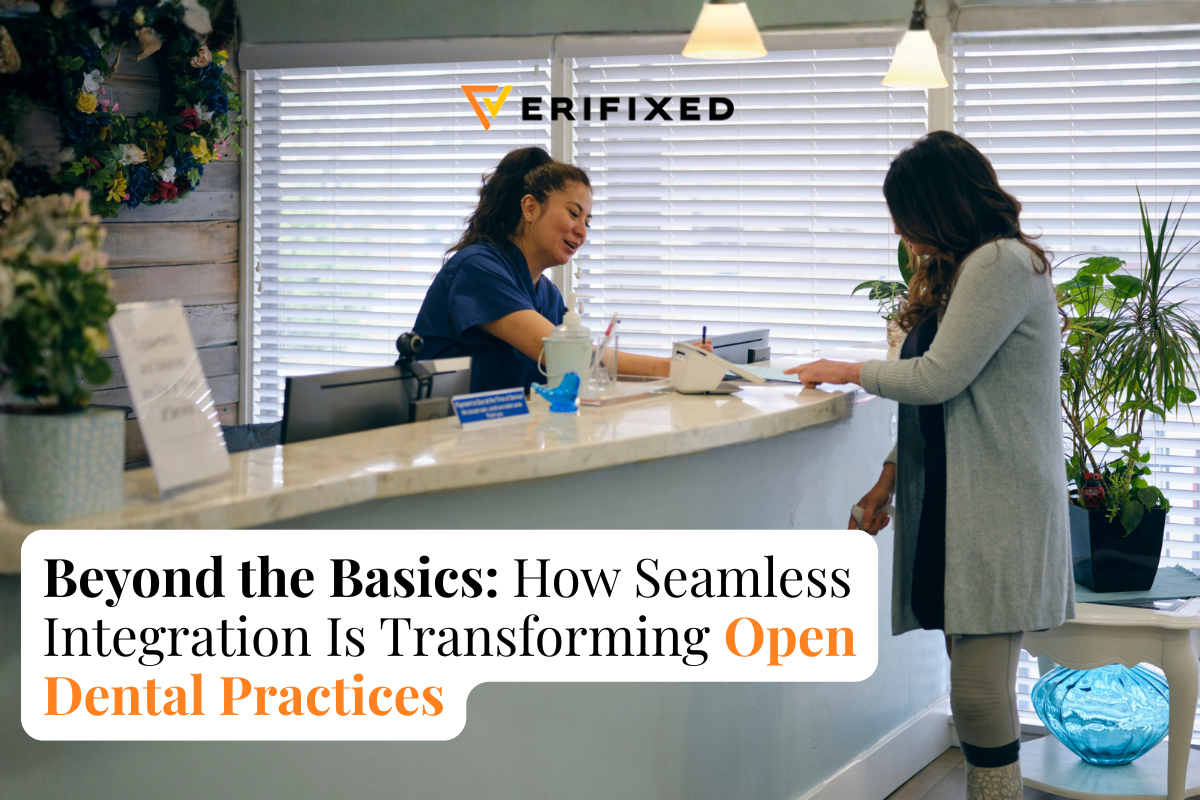 Read more: Beyond the Basics: How Seamless Integration is Changing the Game for Open Dental Practices
Beyond the Basics: How Seamless Integration is Changing the Game for Open Dental Practices
In this post from our guest writer Verifixed learn how integrations can help improve your practice’s workflow and productivity.