
-
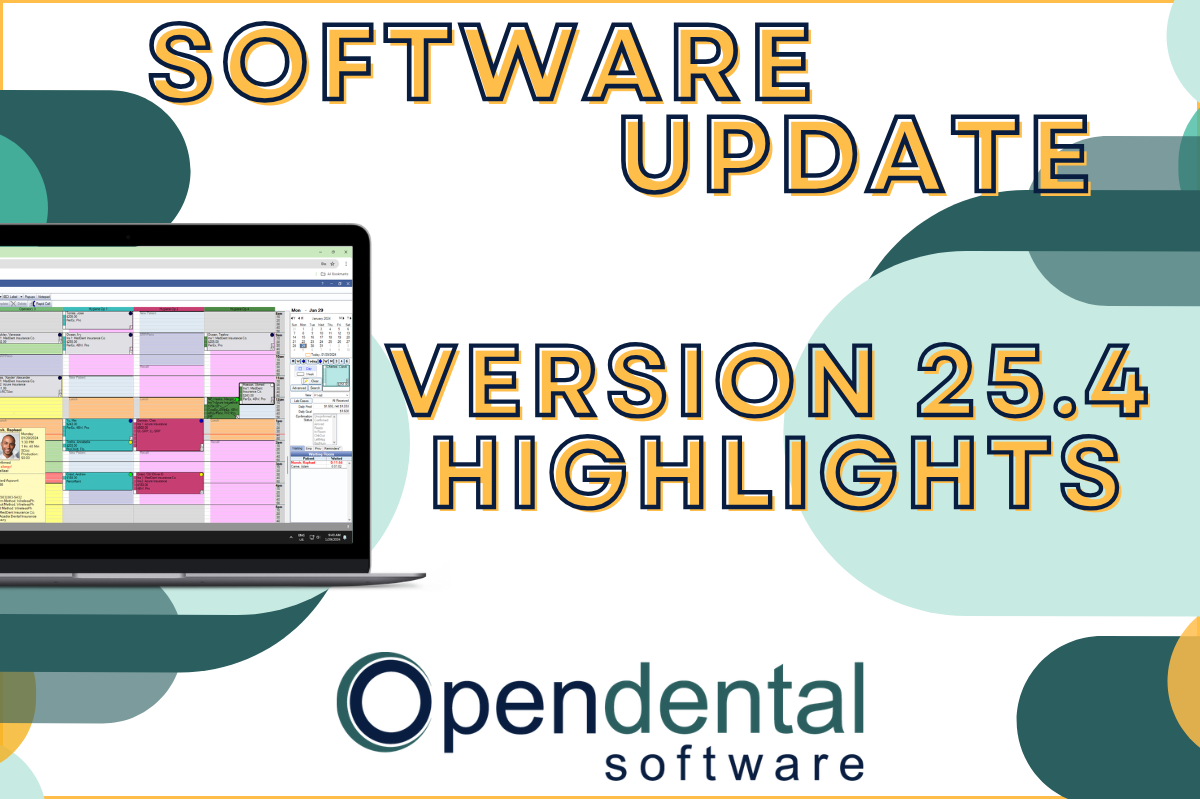 Read more: Software Update: Stable Version 25.4 Highlights
Software Update: Stable Version 25.4 Highlights
Open Dental 25.4 is live and packed with updates. From OCR on eClipboard that auto-fills patient insurance info, to a Clerri integration for in-house membership plans, there’s a lot to explore, including 11 features requested directly by users.
-

Planning Coverage for Summer Vacation
Read more: Planning Coverage for Summer VacationHiring temp staff this summer? Here’s how to set up users, train new employees, and keep your Open Dental data secure while your team is out.
-

Technical Jargon for your Not-So-Technical Team Members
Read more: Technical Jargon for your Not-So-Technical Team MembersServer, database, eConnector, IP address—here’s what Open Dental technicians mean when they use technical terms, in plain language.
-

Streamlining Workflow with eClipboard
Read more: Streamlining Workflow with eClipboardeClipboard streamlines patient check-in, form completion, and signatures, making administrative tasks more efficient.
-

Welcoming Dental School Graduates
Read more: Welcoming Dental School GraduatesJust graduated and joining a practice that uses Open Dental? We’ve got webinars, step-by-step guides, and one-on-one training to help you hit the ground running.
Guest Posts
Read content written by featured third-party guest writers.
-
 Read more: Manual vs Digital Dental Charting: Everything You Need to Know
Manual vs Digital Dental Charting: Everything You Need to Know
Manual charting is costing your practice more than you think, in time, accuracy, and staffing. Here’s how digital charting stacks up.
-
 Read more: How Often Should Healthcare Providers Test Backup Restore?
How Often Should Healthcare Providers Test Backup Restore?
Healthcare providers are advised to conduct monthly backup restore tests, with quarterly full-system validations and annual disaster simulations recommended for high-risk organizations. Backup monitoring alone does not ensure recoverability; restore testing is essential to confirm that clinical systems and patient data can be operationally restored within acceptable downtime.
-
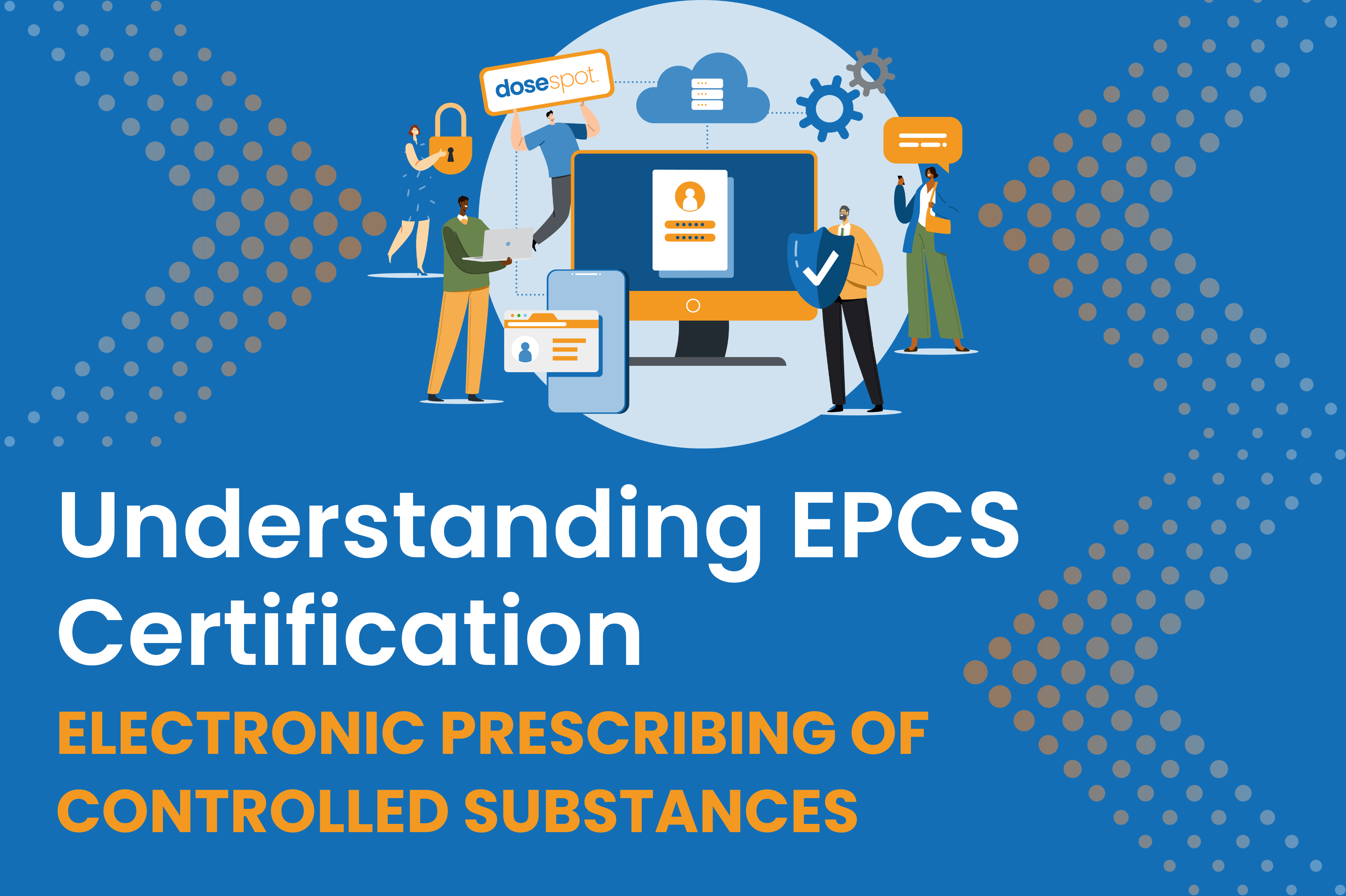 Read more: Understanding EPCS Certification
Understanding EPCS Certification
EPCS certification isn’t just a regulatory checkbox. It’s what makes electronic prescribing of controlled substances actually safe, reducing fraud, cutting errors, and keeping providers on the right side of DEA requirements.
-
 Read more: AI Dental Software: What Actually Works in Modern Dental Practices
AI Dental Software: What Actually Works in Modern Dental Practices
Staff shortages, endless charting, patients who zone out mid-explanation. These are real problems. AI dental software is quietly solving them. Here’s what it does, what it doesn’t, and how to know if it’s right for your practice.
-
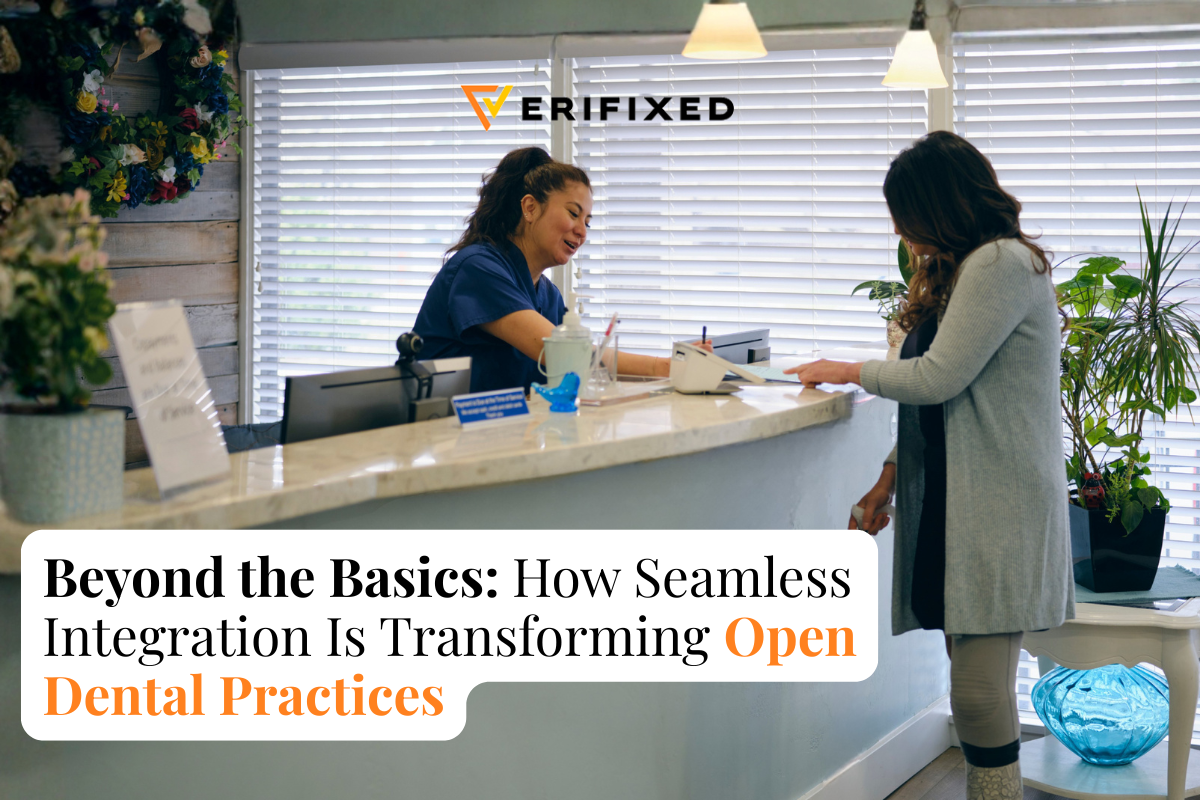 Read more: Beyond the Basics: How Seamless Integration is Changing the Game for Open Dental Practices
Beyond the Basics: How Seamless Integration is Changing the Game for Open Dental Practices
In this post from our guest writer Verifixed learn how integrations can help improve your practice’s workflow and productivity.
-
 Read more: Optimizing Patient Communication Workflows in Open Dental Practices
Optimizing Patient Communication Workflows in Open Dental Practices
Learn how to improve multi-channel communication in your dental practice to strengthen scheduling, increase patient retention, and boost production.