
-
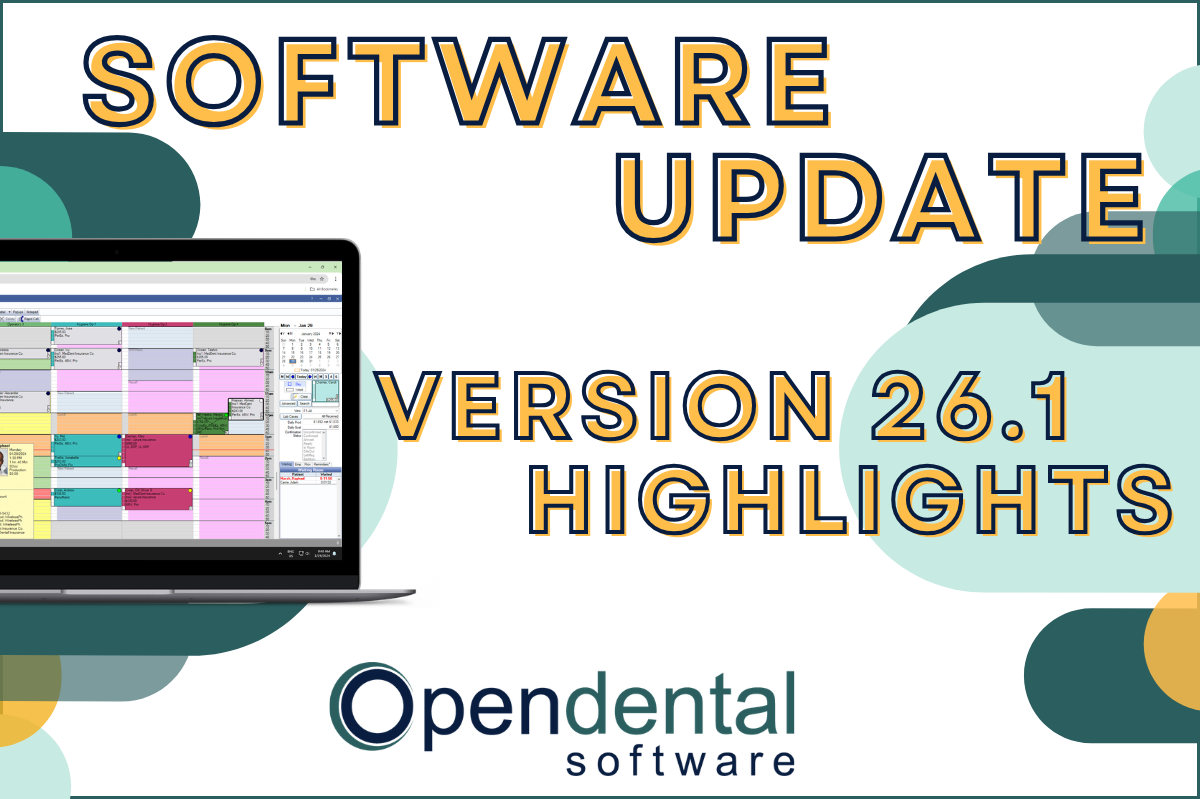 Read more: Software Update: Stable Version 26.1 Highlights
Software Update: Stable Version 26.1 Highlights
Open Dental 26.1 is now stable! New features include ODTouch 25, custom insurance history categories, HTML billing emails, and much more.
-

Increasing Case Acceptance and Measuring Success
Read more: Increasing Case Acceptance and Measuring SuccessWhether it’s a new or existing patient, presenting care in a way that the patient understands, and results in them getting the care they need can be challenging. Read this post for some tools to increase case acceptance, and how to measure success!
-

The Open Dental Wiki
Read more: The Open Dental WikiPractice knowledge is most powerful when it’s documented and centralized. Meet the Open Dental Wiki – your new practice knowledge hub.
-

Software Update: Stable Version 18.1 Highlights
Read more: Software Update: Stable Version 18.1 HighlightsWe are excited to announce that Version 18.1 has been released as Stable. This version implemented 31 enhancements and features requested by our users! Read the highlights in this post, then update to unlock all the software has to offer!
-

Future Smilemakers: We’re Here For You!
Read more: Future Smilemakers: We’re Here For You!Congratulations future smile-makers, you’ve survived dental school! There’s good news, and bad news. The good news is, you made it! The bad news? 80% of you graduated with over $287,000 in student debt. Combined with the cost of starting or purchasing a dental practice, it’s hard not to feel overwhelmed. But don’t fret, there’s more good news. With Open Dental, you…
Guest Posts
Read content written by featured third-party guest writers.
-
 Read more: How DentalXChange’s Eligibility AI Is Getting Smarter
How DentalXChange’s Eligibility AI Is Getting Smarter
Manual eligibility checks are slow and error-prone. DentalXChange’s Eligibility AI now writes verified benefit data directly into your system, no retyping required.
-
 Read more: Open Dental integrates with CareCredit: Helpful information to get started
Open Dental integrates with CareCredit: Helpful information to get started
New, seamless integration makes it easier to offer patients financing options using CareCredit.
-
 Read more: Get insights into your average per patient charges, follow-up care with new ADA DERE reports
Get insights into your average per patient charges, follow-up care with new ADA DERE reports
Dentists connected to the ADA Dental Experience and Research Exchange™ (DERE) through Open Dental now have even more ways to gain insights into their practices. With the release of two new DERE reports, including its first financial report, participants can access more easy-to-understand data about their practices’ performance.
-
 Read more: Tips for successfully working with flexible staff
Tips for successfully working with flexible staff
COVID-19 has changed many aspects of our work, but the biggest change has been to workplace flexibility. See how this extends to staffing, and how you can capitalize on it.
-
 Read more: Intraoral Sensors Uncensored
Intraoral Sensors Uncensored
Intraoral sensors are some of the most widely used and vital pieces of dental technology is your practice. Learn which sensors are recommended (and which to avoid), and some great troubleshooting steps.
-
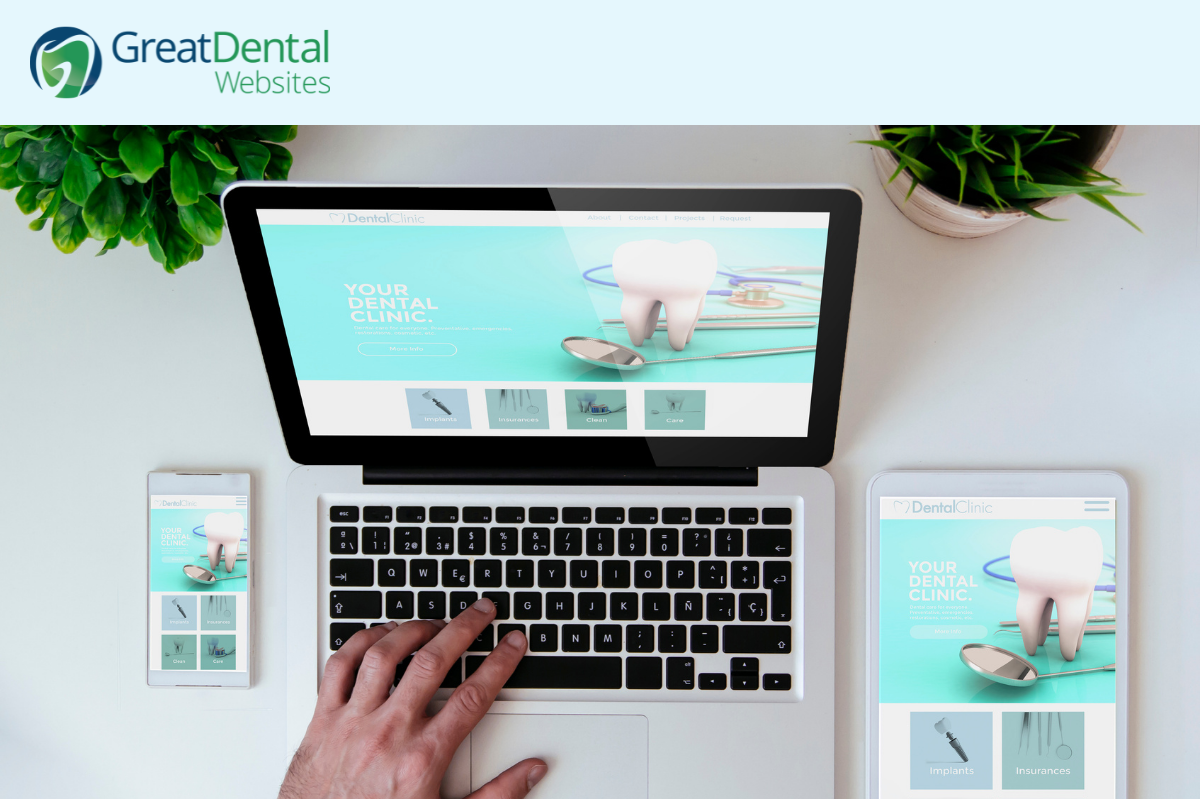 Read more: General Dentists and Specialists: What to Include on Your Website
General Dentists and Specialists: What to Include on Your Website
Learn what essential information (and imagery) you should make sure to include in your general or specialty practice website.