
-
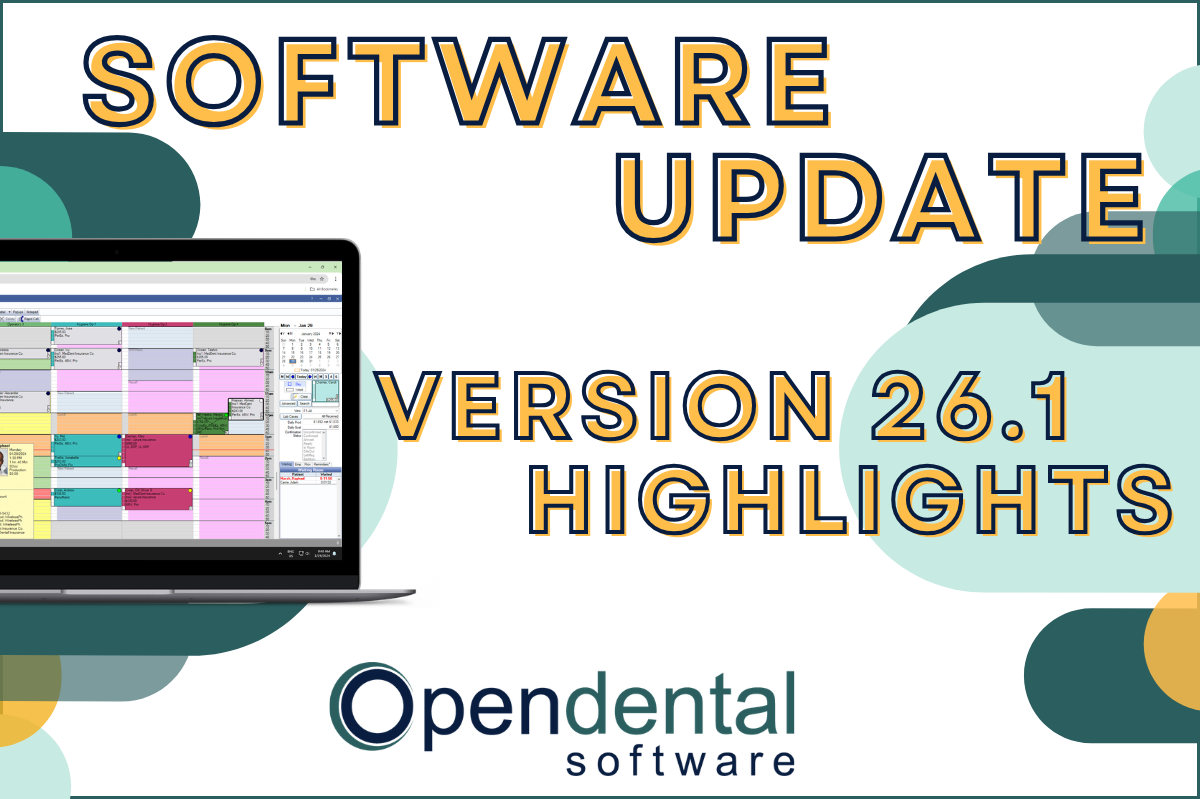 Read more: Software Update: Stable Version 26.1 Highlights
Software Update: Stable Version 26.1 Highlights
Open Dental 26.1 is now stable! New features include ODTouch 25, custom insurance history categories, HTML billing emails, and much more.
-

Feature Highlight: Security
Read more: Feature Highlight: SecurityLearn how to set up global and user-level permissions in Open Dental to ensure appropriate security and a smooth workflow.
-

Building an Open Dental Certification Process for Your Employees
Read more: Building an Open Dental Certification Process for Your EmployeesLearn about customizing the Open Dental Certifications tool to help you monitor employee advancement as they learn Open Dental.
-

Mitigating the Impact of Broken Appointments
Read more: Mitigating the Impact of Broken AppointmentsLife happens, but you can mitigate the impact that broken appointments have on your practice and patients by using these tools and processes.
-

Feature Highlight: Tasks
Read more: Feature Highlight: TasksThe Tasks feature in Open Dental is a valuable tool that can be used for interoffice communication, tracking to-do items, sending requests, reminders, and more. This post will discuss Tasks and how to get them set up and working hard for you!
Guest Posts
Read content written by featured third-party guest writers.
-
 Read more: How DentalXChange’s Eligibility AI Is Getting Smarter
How DentalXChange’s Eligibility AI Is Getting Smarter
Manual eligibility checks are slow and error-prone. DentalXChange’s Eligibility AI now writes verified benefit data directly into your system, no retyping required.
-
 Read more: How Often Should Healthcare Providers Test Backup Restore?
How Often Should Healthcare Providers Test Backup Restore?
Healthcare providers are advised to conduct monthly backup restore tests, with quarterly full-system validations and annual disaster simulations recommended for high-risk organizations. Backup monitoring alone does not ensure recoverability; restore testing is essential to confirm that clinical systems and patient data can be operationally restored within acceptable downtime.
-
 Read more: Understanding EPCS Certification
Understanding EPCS Certification
EPCS certification isn’t just a regulatory checkbox. It’s what makes electronic prescribing of controlled substances actually safe, reducing fraud, cutting errors, and keeping providers on the right side of DEA requirements.
-
 Read more: AI Dental Software: What Actually Works in Modern Dental Practices
AI Dental Software: What Actually Works in Modern Dental Practices
Staff shortages, endless charting, patients who zone out mid-explanation. These are real problems. AI dental software is quietly solving them. Here’s what it does, what it doesn’t, and how to know if it’s right for your practice.
-
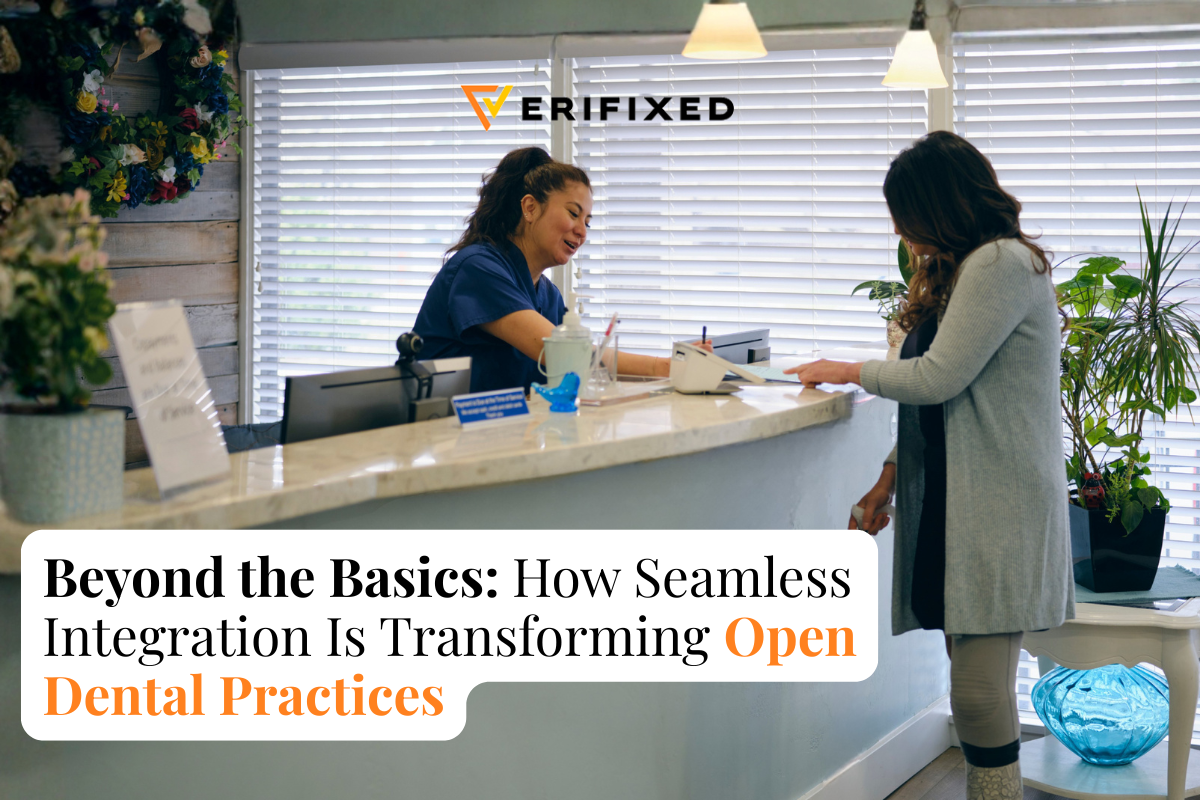 Read more: Beyond the Basics: How Seamless Integration is Changing the Game for Open Dental Practices
Beyond the Basics: How Seamless Integration is Changing the Game for Open Dental Practices
In this post from our guest writer Verifixed learn how integrations can help improve your practice’s workflow and productivity.
-
 Read more: Optimizing Patient Communication Workflows in Open Dental Practices
Optimizing Patient Communication Workflows in Open Dental Practices
Learn how to improve multi-channel communication in your dental practice to strengthen scheduling, increase patient retention, and boost production.